Lapidary basics
See how cabochons, faceted gems and carvings differ.
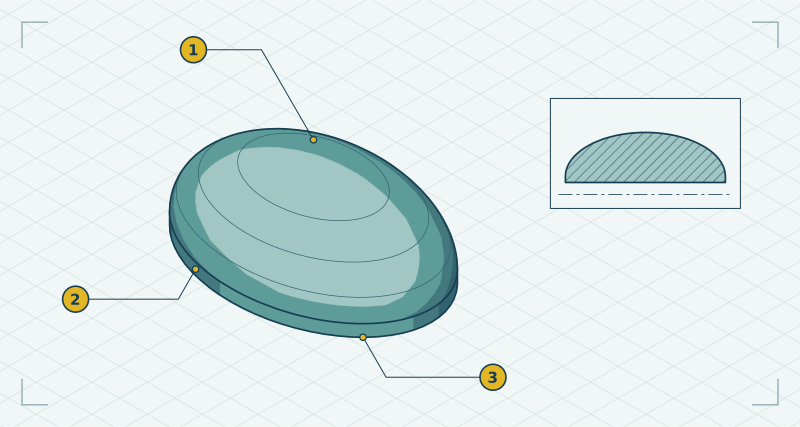
A cabochon, or cab, is a stone with a smooth, rounded top and usually a flat back. Cabbing means shaping and polishing one. You can keep the finished stone, give it as a gift or set it in jewellery.
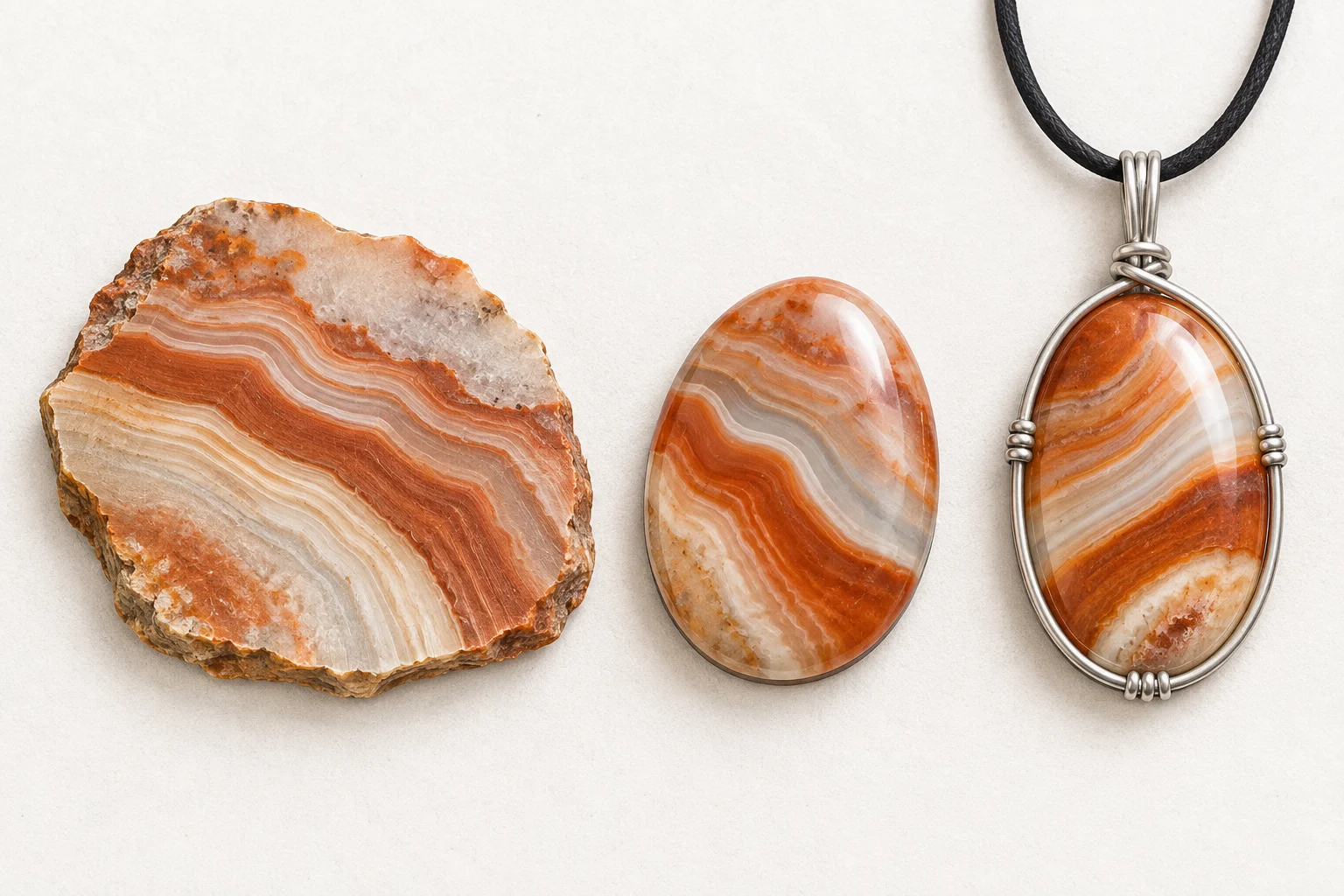
You choose which part of a stone to show: a band of colour, a branching pattern or a contrast between light and dark. Then you shape and sand it in repeated passes, checking the curve each time, before the final polish. If you enjoy rocks, jewellery or patient hands-on work, this may be a hobby to try. CabKing shows the process and finished jewellery.
Start with a local rock or mineral club. The American Federation of Mineralogical Societies describes club workshops where members learn lapidary: cutting, shaping and polishing stone. Find a club through the US club map or the British Columbia club directory, or search for a lapidary club near you.
Ask for a supervised beginner class; open workshop sessions may expect experience. Before you book, check:
Find a slab or blank for your first cabochon.
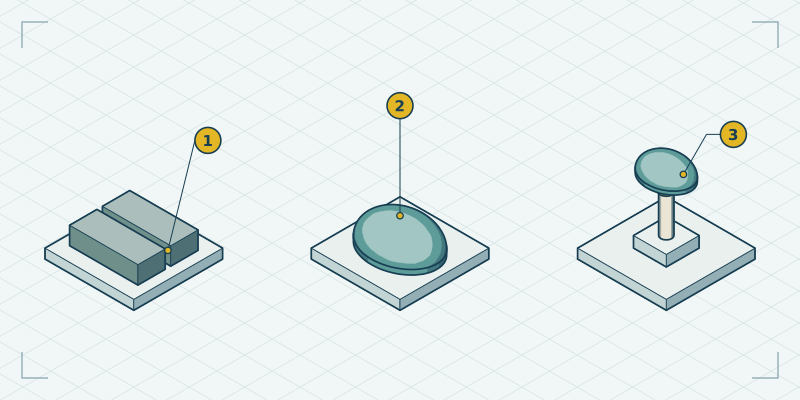
See how cabochons, faceted gems and carvings differ.
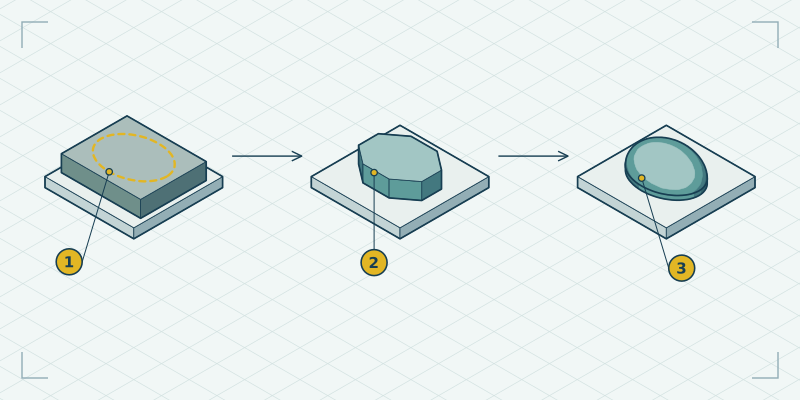
Choose a stone, then shape, sand and polish it step by step.
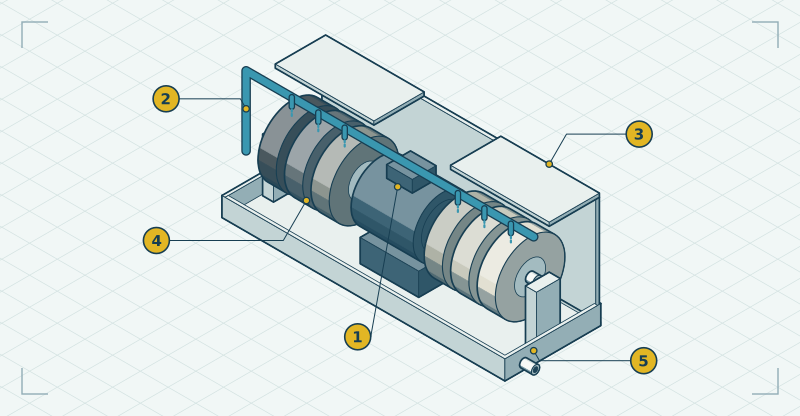
See what the motor, wheels and water do, how to choose a size, and what to check before you buy.
Look up the words used in machine listings and workshop instructions.